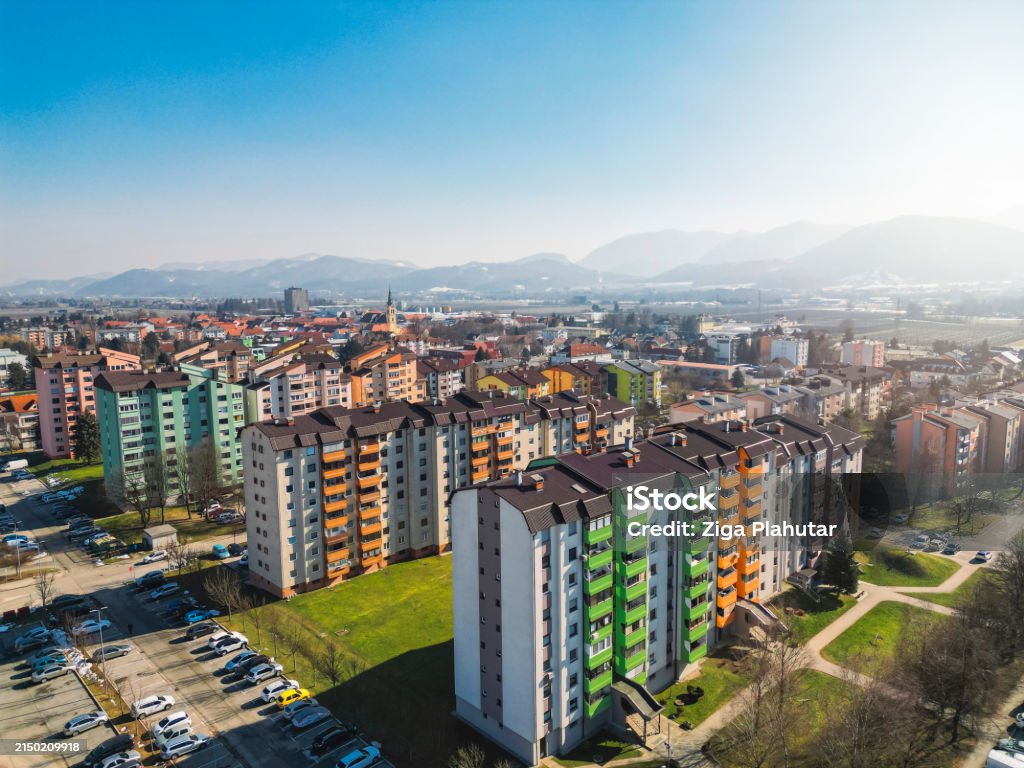
The rise of flexible work has significantly reshaped remote work real estate demand, influencing how people live, work, and spend their time. What began as a temporary adjustment during the pandemic has evolved into a long-term transformation across global markets. According to insights from the PwC Global Workforce Hopes and Fears Survey, a significant portion of the workforce now expects remote and hybrid arrangements to remain a permanent part of their professional lives.
This shift has far reaching consequences for property investors, developers, and asset managers. Work patterns are no longer centered exclusively around traditional business districts. Instead, demand is spreading outward into suburban neighborhoods, secondary cities, and lifestyle oriented residential areas.
The implications extend beyond housing. Retail activity, food and beverage demand, and commercial property design are all evolving in response to new patterns of daily life. For investors seeking to understand where and when to allocate capital, remote work is becoming a defining macro trend that reshapes the valuation logic of real estate assets.
The Structural Shift Toward Hybrid Work
For decades, urban real estate planning revolved around the daily commute. Workers traveled into central business districts each morning and returned home in the evening. This routine created predictable demand patterns for office towers, transit systems, downtown restaurants, and retail stores.
Hybrid work has disrupted this model. Many employees now divide their time between home offices, coworking spaces, and traditional workplaces. Instead of commuting five days a week, workers may travel to the office only two or three days.
This shift reduces the concentration of daily activity in central urban areas. At the same time, it increases economic activity closer to where people live.
Residential neighborhoods that were once quiet during working hours now see consistent daytime traffic. Cafes, casual dining restaurants, and neighborhood retail stores benefit from this new flow of customers who previously spent most of their day in business districts.
For real estate investors, the change signals a broader decentralization of demand.
Suburban Residential Demand Is Rising
One of the most visible impacts of remote work is the renewed interest in suburban housing. When employees no longer need to commute daily, proximity to office districts becomes less important. Instead, lifestyle considerations gain priority.
Many homebuyers are seeking properties that offer more space, natural surroundings, and flexible living arrangements. Extra rooms that can function as home offices have become highly desirable features.
Suburban neighborhoods often provide these qualities at more accessible price points compared with dense city centers. As a result, demand has expanded beyond traditional urban housing markets.
In Southeast Asia, similar patterns are emerging. Cities such as Jakarta are seeing growing interest in satellite towns and residential areas located outside the main urban core. Developments that offer integrated lifestyle environments with green space, retail access, and dining options are attracting professionals who want a balanced living environment.
For property investors, this trend highlights the growing value of residential projects designed around lifestyle driven housing demand.
New Opportunities for Suburban Retail and Dining
The decentralization of work patterns is also transforming the food and beverage landscape. When professionals spend more time near home, their consumption habits naturally shift toward neighborhood establishments.
Suburban dining demand has grown as residents look for convenient options for lunch meetings, casual coffee breaks, and early evening gatherings. Restaurants located near residential clusters now serve customers throughout the day rather than relying only on evening traffic.
This shift creates opportunities for mixed use developments that integrate residential units with retail and dining components. Cafes, bakeries, and casual restaurants are becoming important amenities for modern housing communities.
Property developers are increasingly designing neighborhoods that support walkable lifestyles. Instead of requiring residents to travel into urban centers for social activity, these developments bring everyday conveniences closer to home.
From an investment perspective, this creates new value in suburban retail assets that were previously considered secondary markets.
The Evolution of Commercial Real Estate Demand
While suburban areas gain momentum, central business districts are not disappearing. Instead, they are evolving.
Office space is shifting from purely functional workplaces to collaborative environments where teams gather for meetings, brainstorming sessions, and social interaction. Companies are rethinking how much space they truly need and how it should be designed.
Some organizations are reducing their overall office footprint while investing in higher quality workspaces that encourage collaboration when employees come together. Flexible office layouts, shared meeting areas, and hospitality style amenities are becoming more common.
This transformation affects the surrounding commercial ecosystem. Restaurants and retail spaces in office districts must adapt to fluctuating traffic patterns rather than relying on consistent weekday crowds.
In some cases, underutilized office buildings are being repositioned for mixed use development that combines residential units, hospitality concepts, and coworking facilities.
For investors, this evolution highlights the importance of adaptability when evaluating decentralized commercial real estate opportunities.
Lifestyle Integration Is Becoming a Key Asset Driver
As work and personal life become more integrated, real estate developments must respond to changing expectations. Residents no longer see housing simply as a place to sleep. Homes now function as offices, entertainment spaces, and wellness environments.
Developers are responding by designing properties that support multiple aspects of daily life. High speed internet infrastructure, shared work lounges, fitness facilities, and nearby dining options have become essential features.
Retail components are also evolving. Instead of traditional shopping malls, many projects emphasize lifestyle retail such as boutique cafes, specialty grocery stores, and experiential dining concepts.
These amenities enhance the attractiveness of residential communities while increasing the long term value of the surrounding property ecosystem.
For investors, assets that successfully combine living, working, and leisure functions are likely to benefit from stronger demand in the coming years.
Data Driven Investment Strategies
Understanding remote work trends requires more than observing lifestyle changes. Investors must analyze data that reflects evolving consumer behavior and economic patterns.Metrics such as residential migration flows, coworking space usage, local retail performance, and restaurant foot traffic can provide valuable insights into where demand is growing.
Urban planning policies also play an important role. Governments in many regions are supporting suburban infrastructure development to accommodate population shifts. Transportation improvements, digital connectivity projects, and new residential zoning initiatives can significantly influence property values.
Investors who combine macroeconomic analysis with localized data are better positioned to identify emerging opportunities before they become widely recognized.
Risk Management in a Decentralized Market
While remote work creates new investment opportunities, it also introduces risks that must be carefully managed. Not all suburban areas will experience sustained growth. Some regions may struggle to attract long term population inflows or may lack the infrastructure needed to support expanding communities.
Investors should evaluate factors such as transportation connectivity, employment centers, educational institutions, and healthcare access when assessing suburban property potential.
Diversification also becomes increasingly important. Rather than concentrating investments solely in central urban assets or suburban developments, balanced portfolios that include both can provide greater resilience. Understanding how different property types respond to evolving work patterns allows investors to adjust strategies as market conditions change.
A Permanent Shift in Real Estate Valuation Logic
The rise of remote and hybrid work is more than a temporary adjustment. It represents a structural transformation in how economic activity is distributed across cities and regions.Work flexibility permanently reshapes valuation logic because location advantages are being redefined. Accessibility to lifestyle amenities, community infrastructure, and flexible living environments is becoming as important as proximity to office districts.
For property consultants and investors, recognizing this shift is essential. The most promising opportunities may no longer exist solely within traditional urban centers. Instead, value can emerge in locations that successfully integrate residential living, neighborhood retail, and dining experiences.
As remote work continues to influence global behavior patterns, the real estate industry must adapt to a more decentralized future. Investors who understand these macro trends and respond with thoughtful, data driven strategies will be best positioned to capture the next generation of property value.