Website: GGS - Genius Global Strategies
Segment: Business Climate
Writer: GGS Author Team
Why Investors Are Shifting to Suburban Growth Markets from Tier-1 Cities
Across the global real estate sector, investment patterns are changing, with increasing attention shifting toward suburban growth markets. For many years, investors focused heavily on major metropolitan centers because they offered strong economic activity, high population density, and international visibility. Large cities attracted businesses, talent, and capital, making them natural targets for property development and investment.
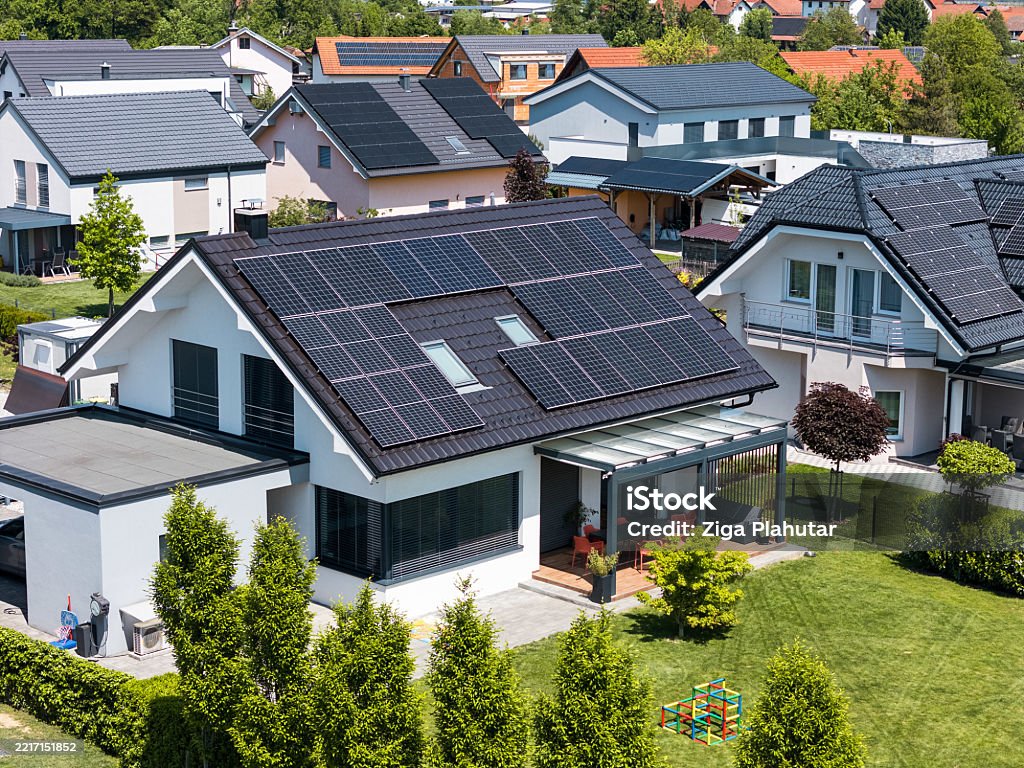
Today a different trend is beginning to take shape. Increasingly, investors are shifting their attention from saturated city centers toward suburban growth markets. These areas often offer lower land prices, stronger development margins, and expanding consumer demand. As a result, suburban corridors are emerging as the next stage of opportunity for real estate investment.
This shift can be seen in several parts of the world, from expanding residential communities around Dubai to the fast growing peri-urban regions surrounding Jakarta and other Indonesian cities.
The Growing Pressure on Major Cities
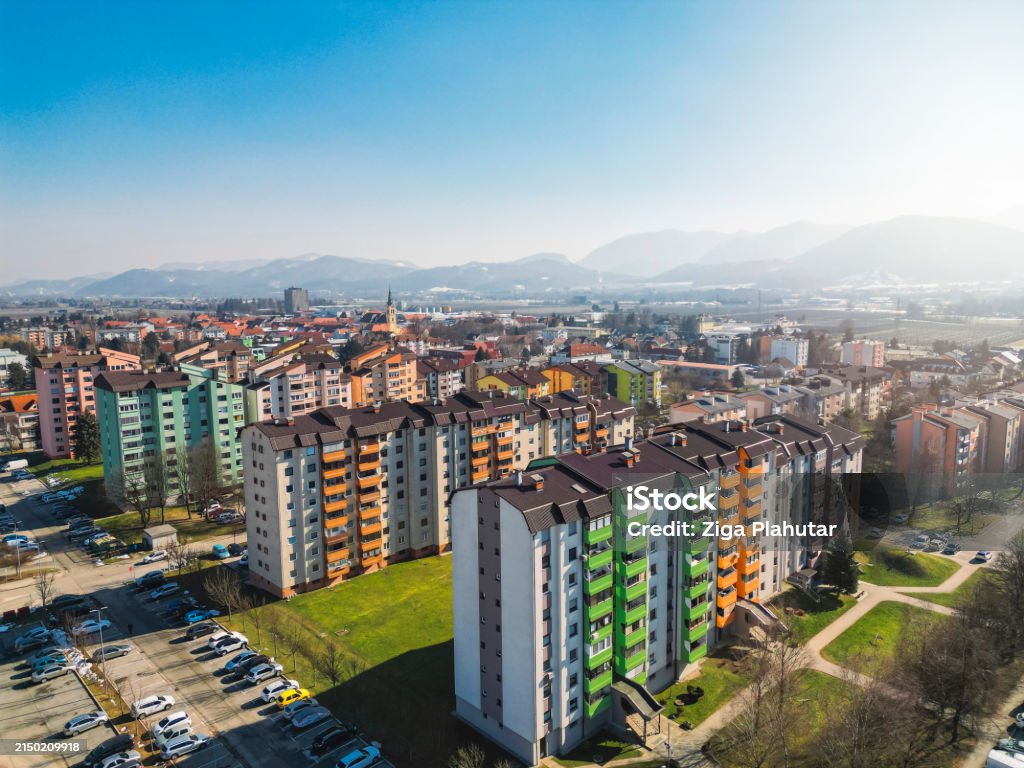
Major urban centers remain important economic hubs, but they also face increasing limitations. Over time, the success of these cities has driven up land prices and intense development pressure.
When land becomes scarce and expensive, it becomes more difficult for developers to create projects with attractive margins. Investors may still see value in prime locations, but opportunities for large scale development are becoming more limited.
At the same time, crowded urban environments create challenges for daily life. Traffic congestion, higher living costs, and limited access to green space are becoming common concerns for many residents. Businesses also incur higher operating expenses when located in central locations.
These factors do not reduce the importance of major cities. Instead, they highlight why surrounding areas are becoming more attractive for future development.
Suburban Markets Are Becoming New Growth Centers
Suburban and peri-urban areas offer a different type of investment environment. Compared with city centers, land is more accessible and significantly less expensive. This allows developers to build larger projects that integrate residential, commercial, and lifestyle elements.
Lower development costs also create stronger potential returns. Investors can enter projects at more competitive price levels while still benefiting from long-term appreciation as the area grows.
Population growth is another important driver. As metropolitan regions expand, housing demand naturally spreads outward from the city center. Improvements in transportation infrastructure, such as highways and commuter rail systems, make it easier for people to live farther from their workplaces while remaining connected to the city.
Over time, these areas evolve into vibrant communities with their own retail centers, offices, schools, and public facilities.
The Pandemic Accelerated Suburban Migration
Another important factor behind this shift is the global impact of the COVID-19 pandemic. The health crisis changed how people think about living environments and daily routines.
According to the OECD Remote Work and Cities Report, the pandemic accelerated migration from dense urban centers toward suburban and peripheral areas. Many households began looking for homes that provide more space, better air circulation, and access to outdoor environments.
The report also highlights that the rise of remote work made location flexibility possible for many professionals. When employees no longer needed to commute to city offices every day, living farther from the urban core became more practical.
This shift was observed across several global markets. Suburban housing demand increased as families sought environments that felt safer, healthier, and more spacious during the pandemic period.
Although city life remains attractive to many people, the pandemic reshaped housing preferences and accelerated a trend already underway. For investors, this change reinforced the importance of suburban markets as long-term growth areas.
Capital Follows Lifestyle Migration Patterns
Dubai’s Expanding Suburban Communities
Dubai provides a clear example of how suburban development can transform peripheral areas into attractive investment destinations.
Over the past two decades, large residential communities such as Dubai Hills, Arabian Ranches, and Dubai South have developed outside the traditional urban core. These areas were carefully planned to provide a complete lifestyle environment for residents.
Instead of focusing only on housing, these developments include schools, parks, retail districts, recreational facilities, and pedestrian-friendly public spaces. Residents can enjoy a quieter environment while still maintaining convenient access to Dubai’s commercial centers.
This model has proven successful because it addresses changing lifestyle preferences. Many residents appreciate the ability to live in a spacious environment that still offers modern amenities and strong connectivity.
For investors, these communities demonstrate how suburban areas can evolve into high value property markets when supported by good planning and infrastructure.
Indonesia’s Rapid Peri-Urban Expansion
Indonesia is experiencing a similar transformation, particularly in the metropolitan region surrounding Jakarta. As the capital continues to grow, development is expanding into neighboring cities and districts.
Areas such as Bekasi, Tangerang, and Bogor are becoming important residential and commercial zones that support the broader Jakarta region. Large townships and mixed use developments are appearing across these locations, creating new urban clusters beyond the traditional city center.
Several factors contribute to this growth. Rising land prices in central Jakarta encourage developers to explore opportunities in nearby regions where land remains more affordable. At the same time, government investment in transportation infrastructure is improving connections between suburban areas and the capital.
New toll roads, rail networks, and commuter systems are making it easier for residents to travel between home and workplace. As accessibility improves, suburban districts become increasingly attractive for both residents and investors.
Developers are also responding to lifestyle trends by building communities that combine housing with shopping centers, schools, healthcare facilities, and recreational spaces. These integrated environments allow residents to enjoy convenience without relying entirely on the city center.
Why Investors Are Looking Beyond City Centers
Several strategic reasons explain why capital is gradually moving toward suburban markets.
One important factor is scale. Larger land parcels allow developers to create comprehensive projects that generate long-term value rather than small, isolated developments.
Another factor is financial efficiency. Lower land costs make it possible to design projects with healthier margins while still offering competitive prices to buyers.
Lifestyle trends also play an important role. Many people now seek neighborhoods that provide a balance between urban accessibility and environmental comfort. Suburban communities often meet this demand by offering quieter surroundings and more space.
Finally, infrastructure expansion often unlocks new investment opportunities. When transportation networks improve, areas that once seemed distant can quickly become desirable residential locations.
Looking Toward the Future
The movement of capital toward suburban growth markets reflects a broader transformation in how cities evolve. Instead of concentrating all economic activity within a single urban core, modern metropolitan regions are becoming networks of interconnected districts.
City centers will continue to play a vital role as economic and cultural hubs. At the same time, suburban areas are emerging as important locations for housing, commerce, and lifestyle development.
For investors, this shift creates new opportunities to participate in the early stages of market growth. Identifying the right locations and understanding how infrastructure and population trends shape future demand will be key to capturing long term value.
As urban populations continue to expand and lifestyle priorities evolve, suburban communities may become some of the most dynamic and promising areas in the real estate market.