(02) The Rise of Middle Class Consumption in Southeast Asia
Across Southeast Asia, a powerful economic shift is reshaping markets and investment opportunities. Rapid income growth, accelerating urbanization, and expanding economic participation are contributing to the rise of a larger and more influential middle class. As household incomes increase, consumption patterns are changing in ways that affect multiple sectors, including retail, housing, lifestyle services, and food and beverage businesses.
For real estate investors and developers, this transformation represents more than a demographic trend. It signals a structural shift in demand that is influencing how cities grow and where new assets gain long-term value. Understanding how middle class expansion drives consumption is becoming essential for identifying sustainable investment opportunities across the region.
The Expanding Middle Class in Southeast Asia
Southeast Asia is home to one of the fastest growing middle class populations in the world. Rising wages, expanding job opportunities, and increasing economic integration have improved purchasing power for millions of households.
According to the World Economic Forum’s ASEAN Consumption Report, the middle class in Southeast Asia is expected to reach approximately sixty five percent of the region’s population by the year 2030. This projection highlights how a majority of households across the region will soon have greater spending power and more diversified consumption habits.
A larger middle class typically spends more on discretionary goods and services. Families begin allocating more of their income toward lifestyle experiences, quality housing, education, dining, and leisure activities. As these behaviors become more common, they reshape the economic landscape of cities and create new demand for commercial and residential spaces.
For investors, demographic expansion often provides one of the strongest indicators of future asset demand.
Urbanization and Changing Consumer Behavior
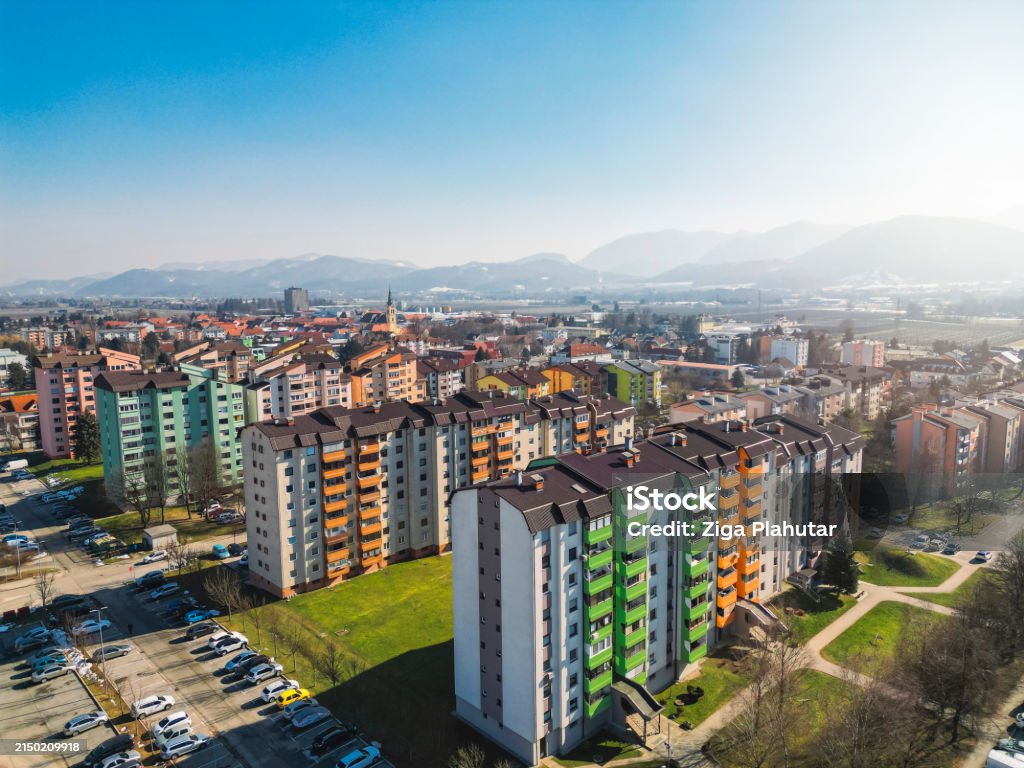
Urbanization is closely connected to the rise of the middle class. As economic opportunities concentrate in metropolitan areas, millions of people move into cities in search of employment and improved living standards.
This migration creates dense urban markets where consumer demand grows rapidly. New residents require housing, retail centers, transportation networks, and social infrastructure such as schools, healthcare facilities, and recreational spaces.
At the same time, middle class consumers tend to adopt more modern consumption patterns. Instead of focusing only on basic necessities, households begin prioritizing convenience, comfort, and lifestyle experiences.
Shopping malls, entertainment districts, dining destinations, and mixed use developments become central components of the urban environment. These spaces serve not only as places for commerce but also as community hubs where people gather, socialize, and spend their leisure time.
As urban populations grow and incomes increase, demand for these environments continues to expand.
How Demographic Expansion Drives Asset Demand
One of the most important relationships in real estate investment is the link between population growth and asset demand. When a region experiences rapid demographic expansion, the need for physical infrastructure increases accordingly.
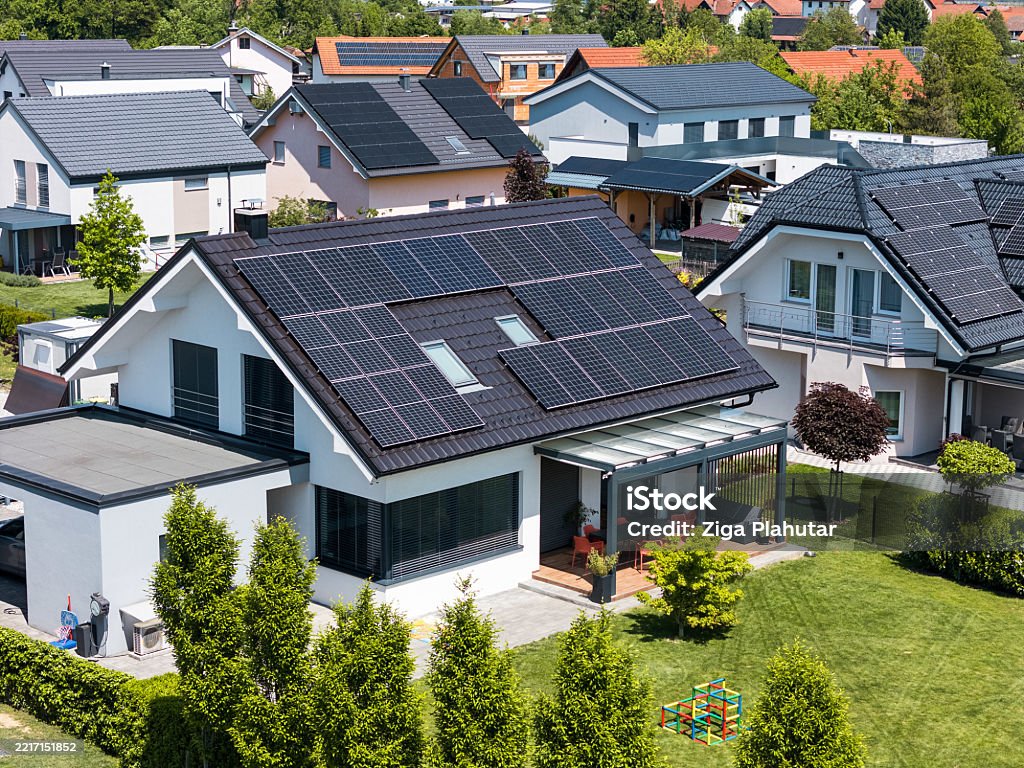
Middle class households require a wide range of property assets. Residential developments must accommodate growing families seeking comfortable and accessible housing. Retail spaces must support rising consumer spending on goods and services. Hospitality and entertainment venues expand to meet demand for leisure activities.
Developers often respond by creating integrated developments that combine residential, commercial, and lifestyle components in a single environment. These projects allow residents to live, work, shop, and relax within a connected community.
In Southeast Asia, this model is becoming increasingly common. Large urban developments are evolving into mixed-use ecosystems that reflect the evolving needs of middle class consumers.
For investors, projects that align with demographic expansion often demonstrate stronger long-term demand and higher occupancy rates.
Opportunities Across Southeast Asia
Countries across Southeast Asia are experiencing variations of this demographic transformation. Indonesia, Vietnam, Thailand, and the Philippines all show strong middle class growth driven by expanding industrial sectors, digital economies, and urban development.
Indonesia, in particular, represents one of the largest consumer markets in the region. With a population of more than two hundred seventy million people and a rapidly expanding urban population, the country offers significant opportunities for real estate development that serve middle class demand.
New residential communities, retail destinations, and lifestyle districts are emerging in major metropolitan areas as well as secondary cities. These developments aim to capture the purchasing power of consumers who are seeking higher-quality living environments and modern urban experiences.
As economic growth continues, these markets are likely to attract increasing levels of domestic and international investment.
Why Demographic Trends Matter for Investors
Demographic change often unfolds gradually, but its impact on real estate markets can be profound. Investors who understand population dynamics can identify opportunities before markets reach maturity.
The rise of the middle class in Southeast Asia represents one of the most important long term drivers of property demand in the region. As more households enter income brackets that support discretionary spending, entire sectors of the economy expand.
Retail centers grow to accommodate higher consumer activity. Residential developments evolve to provide better living standards. Mixed-use projects become hubs of lifestyle and social interaction.
For developers and investors, aligning property assets with these demographic shifts can create sustainable value over time.
The Outlook for Real Estate in a Growing Consumer Economy
The growth of the middle class in Southeast Asia is reshaping the region’s economic and urban landscape. As incomes rise and cities expand, consumption patterns are evolving in ways that influence how people live, work, and spend their time.
By 2030, when middle class households are expected to represent the majority of the region’s population, demand for housing, retail environments, lifestyle destinations, and food experiences will likely continue to expand.
For real estate investors, this transformation highlights a powerful connection between demographic growth and asset performance. Markets supported by a strong and expanding middle class tend to generate consistent demand for property assets.
Understanding these trends allows investors and developers to position themselves within some of the most dynamic growth markets in the global economy. As Southeast Asia continues to evolve, the rise of its middle class will remain one of the key forces shaping the future of real estate investment.