Resilient Real Estate: Why Household Needs Are Changing in an Uncertain World
Resilient real estate is becoming one of the most important trends shaping the future of housing and property development. Across the world, periods of heightened uncertainty are transforming how people think about daily life, consumption, and long-term security. While headlines often focus on markets and geopolitics, the more lasting impact is happening at the household level. Families are reevaluating what they need and what kind of home can support them when conditions change. Housing is no longer defined purely by location or design. Increasingly, it is measured by resilience, efficiency, adaptability, and the ability to support changing household needs.
A New Definition of Household Needs
In the past, household needs centered around comfort and convenience. Today, they include stability and self-reliance. This shift is driven by disruptions in global supply chains, energy market volatility, and rising costs of essential goods.
Households are becoming more intentional. Storage space, reliable utilities, and efficient layouts are gaining importance. The "just in time" approach to consumption is giving way to something more prepared and balanced, not out of panic, but out of awareness.
Supply Chains Hit Home
When global supply chains break down, households feel it quickly. During the COVID-19 pandemic, disruptions in shipping and manufacturing led to shortages of everyday goods across the United States, Europe, and Southeast Asia. Supermarket shelves emptied. Delivery times stretched for weeks. Families who had no storage space or backup supplies felt the impact hardest.
In response, home buyers began prioritizing pantry space, larger kitchens, and multi-functional storage rooms, features that were previously considered secondary. In Australia and the UK, real estate listings started highlighting dedicated storage and utility rooms as key selling points. This was a direct behavioral response to lived experience.
For investors and developers, the message was clear: practical space is valuable space.
Rising Costs and Financial Reprioritization
Inflationary pressure forces households to rethink spending. When the cost of food, fuel, and daily goods rises, budgets tighten, and priorities shift toward long-term value over short-term convenience.
In housing, this translates into demand for energy-efficient systems, low-maintenance materials, and smart layouts that reduce ongoing costs. A home that saves money monthly becomes more attractive than one that simply looks good on the surface.
For Genius Global Strategies, integrating these elements into development plans is not just a market response, it is a way to future-proof investments and stay aligned with where consumer expectations are heading.
Energy Independence Is Becoming a Priority
Few changes have been as visible as the shift in how households approach energy. When fuel prices surged across Europe following geopolitical tensions in 2022, energy bills in countries like Germany and the Netherlands spiked dramatically. Many households scrambled to reduce consumption or explore alternatives.
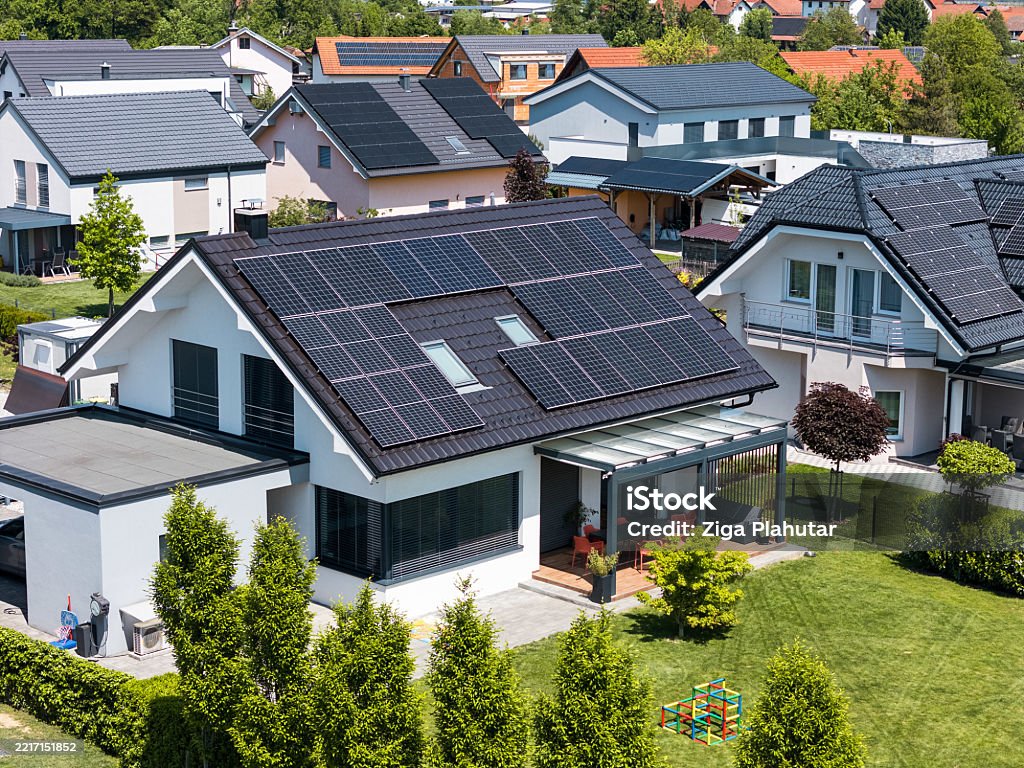
The result? Solar panel installations across Europe hit record highs. Following the 2022 energy crisis in Europe, household electricity prices in Germany rose by approximately 60–70% year-on-year. In response, residential solar installations in Germany reached a record 7.2 gigawatts of new capacity added in 2022 alone, the highest annual figure at the time. (Source: Bundesnetzagentur / German Federal Network Agency, Annual Report 2022; SolarPower Europe, EU Market Outlook 2022) Battery storage systems, energy-efficient appliances, and smart home energy management tools moved from luxury features to practical necessities.
This shift is now influencing property values globally. Homes with solar installations and efficient energy systems attract stronger buyer interest and command better long-term returns. For developers, incorporating renewable energy solutions is no longer a niche selling point, it is quickly becoming a baseline expectation.
Does Age Shape How People Prepare?
One important and often overlooked dimension of this lifestyle shift is age. The way households prepare for uncertainty is closely tied to which generation is living in the home.
Younger residents, particularly millennials and Gen Z buyers in their late 20s to early 40s, tend to prioritize flexibility and technology. They are more likely to embrace smart home systems, remote work setups, and modular living spaces. In cities like Singapore, Seoul, and Jakarta, younger urban dwellers have driven demand for compact but highly functional apartments, units that serve as office, kitchen, gym, and living space all at once.
Middle-aged residents, typically in their 40s to 50s, are often focused on long-term security and family stability. They are the most active segment in purchasing homes with larger storage, energy systems, and proximity to schools and healthcare. In Indonesia, this demographic has been a key driver of demand in integrated township developments that offer self-contained living with essential services nearby.
Older residents and retirees prioritize low maintenance, accessibility, and community. In Japan, a country facing rapid aging, there has been a visible rise in demand for senior-friendly housing with easy access to medical facilities, common social spaces, and simple, manageable layouts. This is a trend increasingly relevant across Asia as populations age.
Understanding the age profile of a target market is not just a demographic exercise. It directly shapes what features a development should prioritize, how spaces should be designed, and what services need to be integrated nearby.
Flexibility and Community as Core Values
Another clear trend is the demand for flexible, community-oriented living. Open layouts, multi-purpose rooms, and developments that integrate food, healthcare, and daily services are gaining preference, particularly among families and working professionals.
In the United States, the rise of "15-minute neighborhood" planning, where residents can access everything they need within a short walk or drive, has influenced major urban development projects in cities like Portland and Denver. The American Planning Association has documented growing adoption of "15-minute city" principles in U.S. urban master plans since 2020, with cities citing resident resilience and reduced car dependency as key planning goals. (Source: American Planning Association, Planning for Equitable and Resilient Communities, 2022)
In Southeast Asia, large integrated townships in cities like Kuala Lumpur and Jakarta have attracted strong buyer interest precisely because they reduce dependency on extended supply chains and unpredictable urban infrastructure.
What This Means for Real Estate Investment
For Genius Global Strategies, these shifts provide a clear framework. The focus is moving from purely aesthetic or location-driven projects toward developments that deliver long-term functionality, resilience, and community value.
Properties that align with these trends: practical storage, energy efficiency, flexible spaces, proximity to services, and age-appropriate design, are better positioned to attract stable, long-term occupants.
In a world where conditions can change quickly, resilience is becoming the most valuable feature a home can offer. And for investors, it is becoming one of the most reliable indicators of long-term success.