MAR: Sustainable Development in Bali: Creating Value for Investors and Local Communities
Bali has long held a unique position in the global imagination, and today sustainable development in Bali is becoming central to its future. It is not just a tourist destination, but a living cultural landscape where spirituality, nature, and community are deeply intertwined. For investors, this presents both an opportunity and a responsibility. The opportunity lies in Bali’s continued growth as a world-class destination, while the responsibility lies in ensuring that development respects and enhances the island’s environmental and cultural integrity.
In recent years, there has been growing concern among local communities about the impact of rapid development. New tourist attractions and commercial spaces are sometimes seen as disruptive, especially when they overlook traditional values or environmental balance. This perception creates a stigma that development and preservation cannot coexist. However, a new wave of sustainable and community driven projects is proving otherwise.
The Shift Toward Conscious Development
Global tourism trends are evolving. Today’s travelers are increasingly aware of environmental issues and are drawn to destinations that reflect their values. According to the United Nations World Tourism Organization, sustainable tourism is one of the fastest growing segments in the industry (UNWTO). Travelers are seeking authentic experiences that connect them to local culture and nature rather than generic commercial spaces.
For investors, this shift signals a clear direction. Properties that integrate sustainability and local engagement are more likely to achieve long term success. They attract a more conscious market segment, foster community support, and reduce the risk of regulatory or social backlash.
Bali is particularly suited for this model. The island’s philosophy of Tri Hita Karana emphasizes harmony between humans, nature, and the spiritual realm (SPBE Diskominfos Provinsi Bali). Developments that align with this philosophy are more likely to be embraced by local communities and create lasting value.
Learning from Proven Models
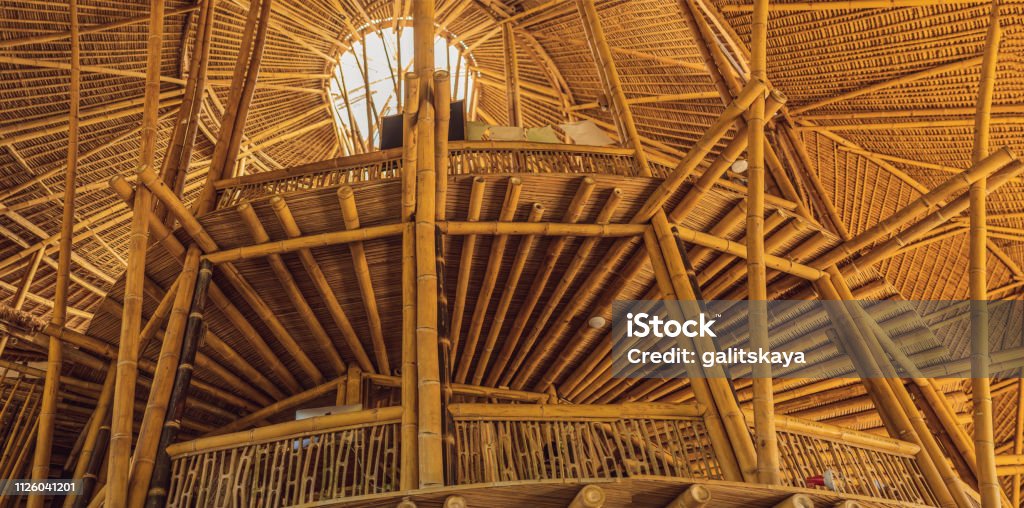
One compelling example of this approach is Bamboo U, an initiative that focuses on sustainable design and bamboo architecture. Located in Bali, Bamboo U offers immersive learning experiences where participants engage directly with nature and sustainable building practices.
What makes Bamboo U noteworthy is not just its use of eco friendly materials, but its holistic approach. The project integrates local craftsmanship, environmental stewardship, and education. It demonstrates that development can enhance rather than diminish the natural landscape.
From an investment perspective, projects like Bamboo U show that sustainability is not a limitation but a differentiator. They attract global attention, command premium positioning, and build strong brand identity. Most importantly, they establish trust with local communities, which is essential for long term operational stability.
Designing a Space that Belongs
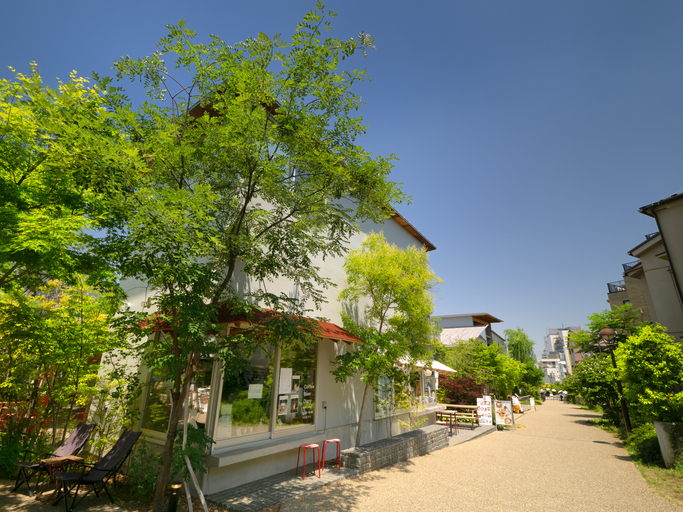
For Genius Global Strategies, the goal is to create a restaurant that goes beyond dining. It will function as a recreational space where visitors can experience Bali in a meaningful way. This includes thoughtful architectural design, integration with the natural surroundings, and collaboration with local stakeholders.
Design plays a critical role in shaping perception. Structures that use natural materials, open layouts, and environmentally responsive techniques can blend seamlessly into the landscape. This reduces visual and ecological disruption while enhancing the overall experience for visitors.
Equally important is the use of space. Instead of maximizing built area, the focus is on creating balance. Green spaces, natural ventilation, and minimal environmental footprint are not just design choices but strategic decisions that align with market demand and regulatory trends.
Partnering with Local Communities
One of the most effective ways to address concerns about development is through genuine collaboration with local communities. This goes beyond compliance and enters the realm of partnership.
By involving local artisans, sourcing ingredients from nearby producers, and respecting traditional practices, Genius Global Strategies can create a business model that supports the local economy. This not only strengthens community relations but also enhances authenticity, which is a key driver of customer experience.
Community engagement also reduces operational risks. Projects that are supported by local stakeholders are less likely to face resistance or delays. In contrast, developments that ignore local context often encounter challenges that can impact profitability and timelines.
Environmental Responsibility as Investment Strategy
Sustainability is often viewed as an added cost. In reality, it is a long term investment strategy. Energy efficient systems, waste management practices, and sustainable sourcing can reduce operational expenses over time. At the same time, they align with global standards that are increasingly being enforced through regulations and consumer expectations.
In Bali, where environmental preservation is closely tied to cultural values, this becomes even more significant. Developments that prioritize environmental responsibility are better positioned to navigate future policy changes and maintain their social license to operate.
Moreover, sustainable properties tend to have stronger brand narratives. They offer a story that resonates with modern consumers and investors alike. This translates into higher visibility, stronger customer loyalty, and greater resilience in competitive markets.
Changing the Narrative
The stigma surrounding development in Bali stems from real concerns, but it is not an unchangeable reality. By demonstrating that business can coexist with nature and culture, projects like Genius Global Strategies have the potential to reshape this narrative.
This requires a shift in mindset. Development should not be seen as an act of extraction, but as a form of contribution. When done thoughtfully, it can enhance the environment, empower communities, and create meaningful experiences for visitors.
For investors, this represents a unique opportunity. Supporting projects that prioritize sustainability and local integration is not just a moral choice. It is a strategic one. It aligns with global trends, mitigates risks, and positions the investment for long term growth.
Conclusion
Bali stands at a crossroads where tradition and modernity intersect. The choices made today will shape the island’s future for generations to come. For Genius Global Strategies, the decision to create a restaurant that coexists with its environment reflects a forward thinking approach that recognizes both the challenges and opportunities of this landscape.
By learning from successful models, engaging with local communities, and prioritizing sustainability, Genius Global Strategies is not only building a property but also contributing to a broader movement. A movement that proves development and preservation are not opposing forces, but complementary ones.
For investors seeking meaningful and resilient opportunities, this is the future of real estate in Bali.