The convergence of digital twin technology and metaverse applications is transforming real estate development and marketing globally. Digital twins, which are highly detailed virtual replicas of physical buildings and infrastructure, combined with immersive metaverse experiences, enable architects, developers, and marketers to visualize, simulate, and promote properties in unprecedented ways.
For markets such as Dubai, where technological innovation is a hallmark, digital twins help attract international buyers through interactive off-plan unit demonstrations. Similarly, emerging markets like Bali leverage virtual tours and 3D models to shorten sales cycles and improve buyer confidence, bridging geographical gaps.
Beyond Blueprints: Understanding Digital Twins in Real Estate
A digital twin is far more than a sophisticated 3D model. It is a living, breathing digital entity that mirrors its physical counterpart in real-time. Created using Building Information Modeling (BIM), IoT sensor data, and photorealistic rendering, a digital twin integrates architectural design, engineering systems, and operational data into a single, cohesive platform. This allows stakeholders to not just see a building, but to understand how it functions.
Companies like Autodesk have been instrumental in advancing BIM solutions, enabling the creation of these intricate digital prototypes. The power of a digital twin lies in its ability to simulate everything from structural integrity and energy efficiency to occupant flow and maintenance schedules. This virtual sandbox allows architects, engineers, and developers to test designs, identify conflicts between systems (a process known as clash detection), and optimize performance long before a single brick is laid, drastically reducing costly on-site errors and change orders.
The Metaverse: A New Dimension for Marketing and Engagement in Real Estate
The metaverse extends digital twin capabilities by providing immersive environments where users interact with virtual real estate assets through avatars and virtual reality (VR) platforms. This creates new avenues for marketing by offering prospective buyers, investors, and tenants engaging experiences that replicate physical visits.
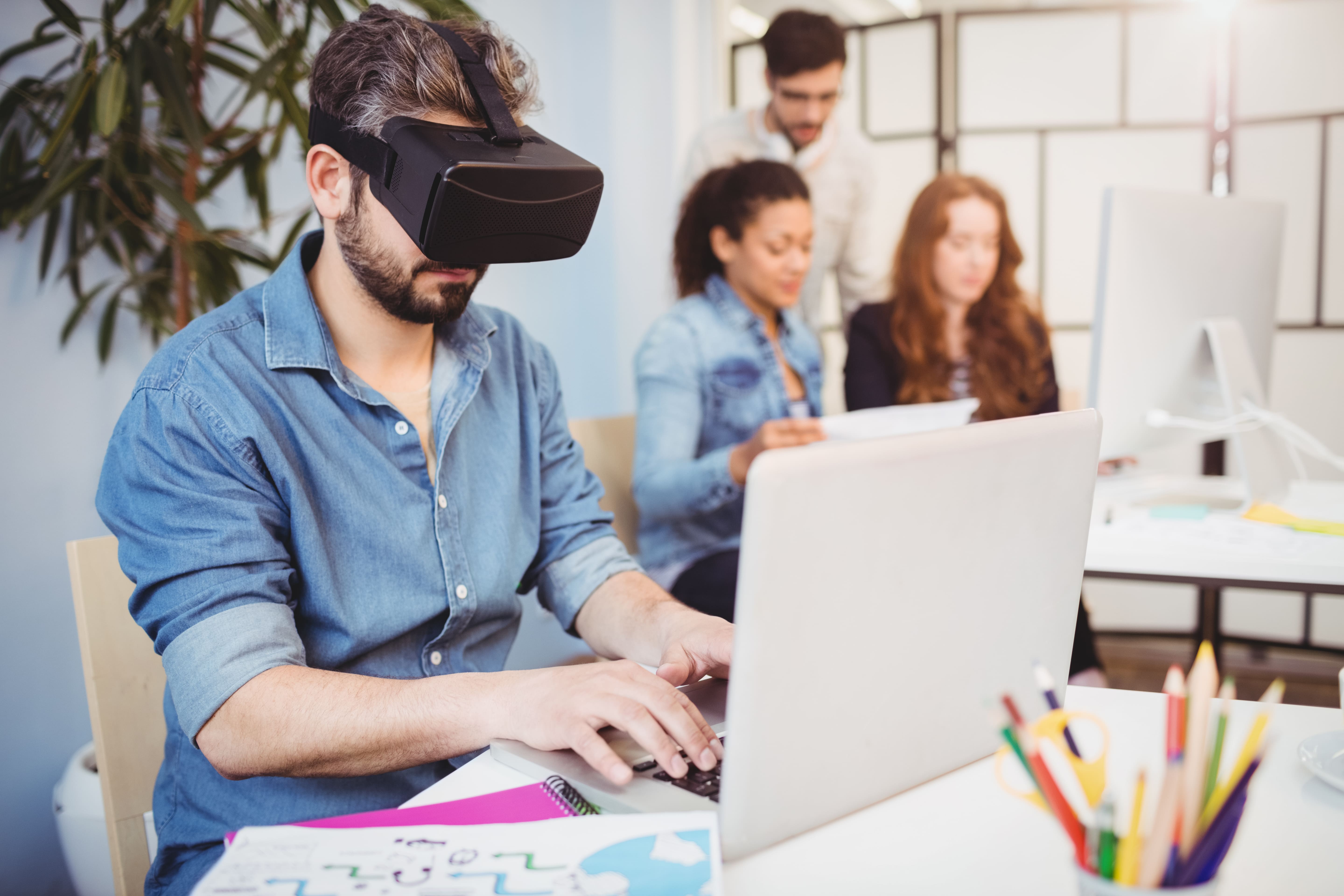
As highlighted in Accenture’s Metaverse Real Estate Report, developers are now using these virtual spaces to host global open houses, conduct investor roadshows, and facilitate remote negotiations. A prospective buyer from London can don a VR headset and take a leisurely, self-guided tour of a villa in Bali, experiencing the space, the views, and the ambiance as if they were physically present. This capability is invaluable for attracting international capital and overcoming the significant barrier of distance, making off-plan projects in emerging markets more accessible and less risky for overseas investors.
Accelerating Sales and Building Buyer Confidence
One of the most immediate and powerful applications of this technology is in pre-construction sales. Selling a property that exists only on paper has always been a leap of faith for buyers. Digital twins and metaverse experiences replace uncertainty with clarity and confidence.
Developers can now offer fully interactive, immersive virtual tours of off-plan units. Buyers are no longer limited to static floor plans and artist impressions; they can virtually "walk" through their future apartment, explore different layout options, and even visualize custom finishes like cabinetry and flooring in real-time. This level of personalization fosters a powerful emotional connection to the property, which is a key driver in the decision-making process. For developers in markets like Bali, this has proven to significantly shorten sales cycles and reduce buyer hesitation, as the virtual experience effectively de-risks the purchase.
Enhancing Design and Planning Efficiency
Beyond marketing, digital twins improve design accuracy and efficiency. Architects and engineers use these models for clash detection, energy simulations, and performance testing, optimizing building systems before construction.
Throughout the design and construction phases, it serves as a single source of truth for all stakeholders. Engineers can run complex simulations to test how the building will perform under various environmental conditions, optimizing for energy efficiency and occupant comfort. Construction managers can sequence activities with precision, identifying potential logistical issues before they cause delays. Stakeholders can simulate environmental impacts, occupant flow, and maintenance needs on these digital replicas, supporting better design decisions and lifecycle management. This significantly reduces rework and accelerates project timelines while improving sustainability outcomes.
Once the building is operational, the digital twin evolves into a powerful facility management tool. By integrating live data from IoT sensors throughout the building which can be helped monitoring everything from HVAC performance and energy consumption, to occupancy patterns the digital twin becomes a real-time dashboard of the asset's health. This enables predictive maintenance, where building managers are alerted to a potential equipment failure weeks before it happens, and allows for data-driven optimization of energy usage, security, and space utilization, leading to substantial long-term operational savings.
Global Adoption and Market Examples
Dubai recently showcased multiple digital twin projects for its smart city initiatives, integrating real-time sensor data from buildings, infrastructure, and utilities to optimize urban planning and management. This investment in innovation attracts international real estate investors seeking technologically advanced assets.
In Southeast Asia, Bali and other resort destinations utilize virtual real estate marketing to connect global holiday home buyers with developments through detailed 3D walkthroughs and metaverse presentations, bypassing travel restrictions and physical limitations.
Future Prospects: Integration of AI and IoT
The future of digital twins incorporates artificial intelligence for predictive analytics and IoT sensor integration for live data feeds. This convergence makes digital twins dynamic, continuously updated in sync with their physical counterparts.
Real estate owners gain predictive maintenance insights, tenant behavior analytics, and energy consumption tracking, enabling proactive asset management. Metaverse evolution will deepen user interaction, supporting virtual co-working spaces, community events, and digital property management within immersive environments.
Challenges and Considerations
Adopting digital twins requires significant upfront investment in technology and expertise, which may pose challenges for smaller developers or projects. Data security, privacy, and interoperability between platforms remain concerns needing standardized protocols.
Ensuring user-friendly interfaces and educating both sales teams and buyers about these technologies is key to maximizing adoption and return on investment.
Digital Twins and Metaverse as Industry Game Changers
Digital twins and virtual real estate in the metaverse are redefining how properties are designed, marketed, and managed. These technologies enhance transparency, engagement, and operational intelligence, benefiting all stakeholders from developers to end-users.
As adoption accelerates globally, propelled by leaders like Dubai and innovative markets like Bali, real estate professionals embracing these digital transformations position themselves at the forefront of industry innovation.