As the world faces urgent environmental challenges, sustainable real estate is no longer a new concept, but it's transforming the entire property landscape. Today, sustainability drives the design, development, and operation of modern buildings around the globe. From bustling urban centers in Indonesia to visionary eco projects in Dubai and Bali’s serene luxury resorts, the real estate industry is embracing a greener future that combines environmental responsibility with exceptional value.
The Rise of Global Green Building Practices
Sustainability means more than just energy savings. It means creating spaces that nurture people, strengthen communities, and honor the planet. With the real estate sector currently contributing close to 40% of energy related CO₂ emissions worldwide, the urgency to build differently has never been greater. As awareness grows, global green building trends are driving innovation through new standards, certification systems, and policy frameworks that promote resilience and energy efficiency.
Across Indonesia and the UAE, innovative architectural approaches, including passive cooling, natural lighting, renewable energy integration, and smart water management, are redefining what it means to live and work sustainably.
Dubai and the UAE: Leading the Net Zero Movement
The United Arab Emirates has emerged as a regional pioneer in sustainable construction. With its UAE Net Zero 2050 initiative, the country aims to achieve carbon neutrality through forward thinking regulations, innovative technologies, and responsible urban planning. Major projects in Dubai, from commercial towers to residential communities, are being designed under UAE net zero real estate guidelines that encourage developers to measure and reduce both operational and embodied carbon emissions.
Developments like the Dubai Sustainable City have already demonstrated the economic and social benefits of this approach. Equipped with rooftop solar panels, biodiverse green spaces, and car-free zones, the project showcases how green building trends in renewable energy real estate can create vibrant, self sustaining communities. Similarly, new commercial projects are seeking LEED (Leadership in Energy and Environmental Design) property certifications as a means to demonstrate compliance with international standards while attracting investors who prioritize sustainability.
Luxury in Eco-Design Architecture
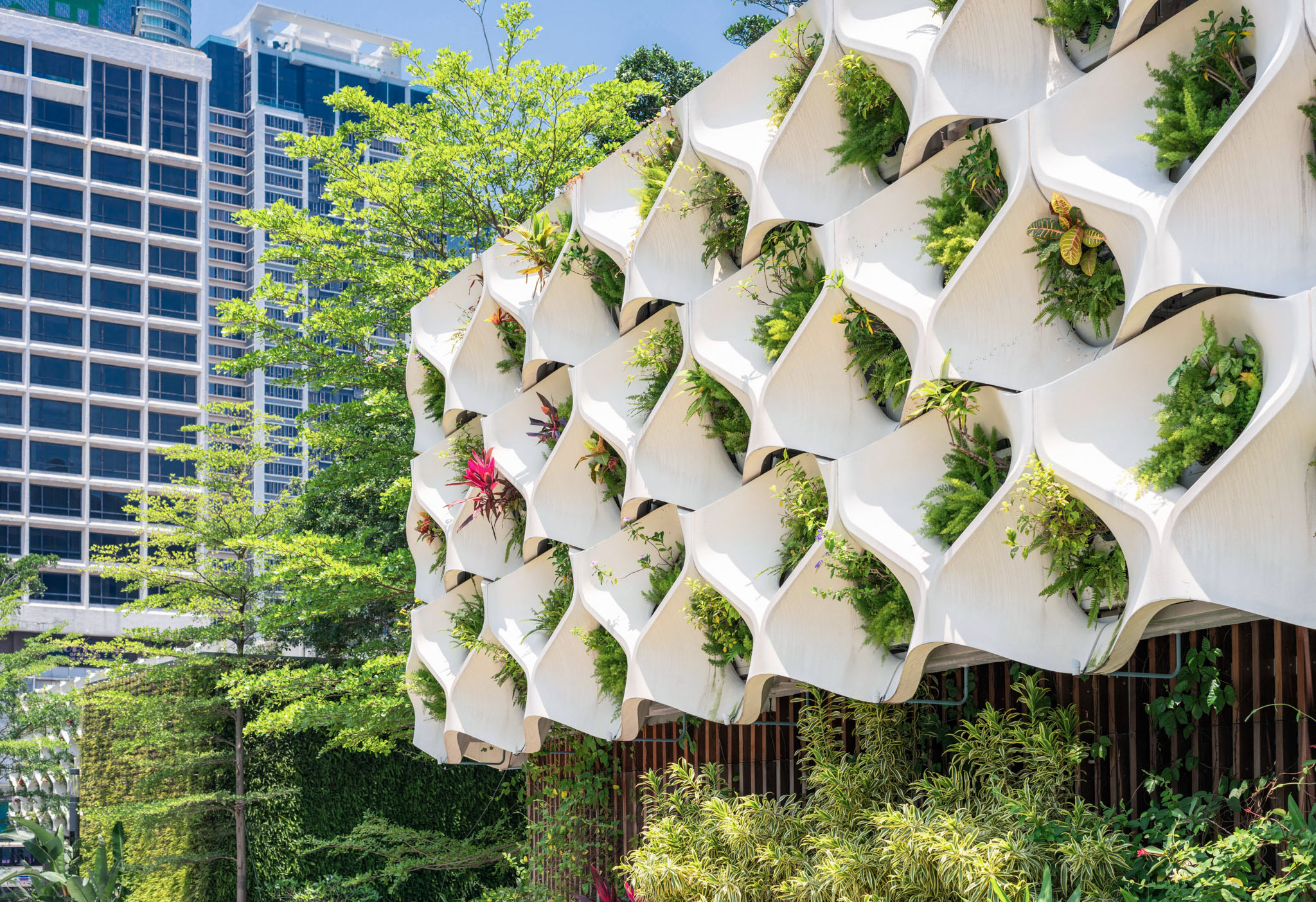
Central to modern green building trends is eco design architecture, which emphasizes harmony between built structures and the natural environment. Architects and engineers are increasingly applying biophilic design principles by incorporating natural light, ventilation, and greenery to improve well-being while reducing resource use. In tropical countries like Indonesia, passive cooling and shading strategies are being reintroduced to minimize energy consumption. In the Gulf region, high performance façades and heat reflective materials are helping reduce cooling loads in extreme climates.
A striking example of green building trends in hospitality can be seen in the growing number of eco friendly luxury resorts in Bali, Indonesia. Eco friendly luxury resorts such as Bambu Indah and Alila Villas Uluwatu show how elegance and environmental stewardship go hand in hand. These resorts blend traditional craftsmanship with modern green technologies, using bamboo, reclaimed wood, and solar power to craft experiences that guests deeply appreciate. This fusion of sustainability and sophistication proves that respecting nature can also elevate comfort and prestige.
These resorts also illustrate how green building trends enhance guest experience. By integrating natural landscapes, infinity pools that collect rainwater, and organic gardens supplying in house restaurants, they create immersive sustainability narratives. The combination of aesthetic beauty, local materials, and low impact engineering has turned Bali into a model destination for the global eco luxury tourism movement, proving that sustainability can coexist with sophistication and profitability.
The Power of Green Building Certifications: Credibility, Value, and Investment Security
Green building certifications like LEED (Leadership in Energy and Environmental Design) and BREEAM (Building Research Establishment Environmental Assessment Method) have become trusted global standards guiding the future of sustainable real estate. To earn a LEED certification, a property must prove its efficiency across important areas such as energy use, water conservation, waste reduction, material sustainability, and indoor environmental quality. This ensures that certified buildings don’t just look green on paper, they perform responsibly in everyday life.
In regions like the UAE, the Estidama Pearl Rating System complements these international standards by addressing the unique climate and cultural nuances of the Middle East. Meanwhile, Indonesia’s Greenship certification encourages local developers to meet global sustainability benchmarks tailored to their environment. For investors and property owners, these certifications mean much more than a stamp of approval. They bring credibility and help a building stand out in a crowded market, attracting tenants who value sustainability and reducing the risks associated with energy expenses and regulations. Certified properties often enjoy higher tenant retention and demonstrate stronger long-term value, making them wise, future forward investments.
Renewable Energy and Low Carbon Innovations
As part of the broader green building trends, developers are integrating solar, wind, and geothermal systems into building designs. Rooftop solar panels, energy storage batteries, and district cooling systems are becoming standard features in new developments, particularly in Dubai and Abu Dhabi. Indonesia, with its vast potential for solar and hydro energy, is also exploring community-based renewable models that power residential clusters and business districts.
The shift toward low carbon housing is also gaining traction globally. Governments and developers are experimenting with carbon accounting tools and lifecycle assessments to monitor the environmental impact of construction. In many cases, local authorities provide incentives or tax breaks for developers who commit to carbon reduction targets. These efforts are helping create a new generation of climate resilient real estate that supports both people and the planet, key outcomes of modern green building trends.
Why Investors Are Moving Toward Green Real Estate
Sustainable real estate is not just good for the planet, it's a smart investment. Properties built to green standards attract premium tenants and maintain value even in volatile markets. Investors who align their portfolios with environmental, social, and governance (ESG) principles are seeing long term resilience and profitability. The growing demand for certified, energy efficient projects opens doors to tax incentives, government grants, and new financing opportunities. Properties that meet global sustainability or green building trends standards tend to attract premium tenants, lower operational costs, and deliver stronger returns over time. For business owners in Indonesia, the UAE, and other markets, embracing sustainability also means greater competitiveness in attracting international clients and partners.
Moreover, the rise of UAE net zero real estate and similar frameworks in Asia is opening new opportunities for construction technology firms, energy consultants, and green material suppliers. Companies that provide sustainable design, smart building systems, or carbon auditing services are becoming integral partners in green building trends driven real estate development.
Be A part of The Future of Global Green Building
Sustainability is no longer a choice, it is the foundation of modern real estate. As climate goals tighten and environmental accountability deepens, green building trends will increasingly define how cities grow and operate. Now is the time to invest in the future of real estate, where sustainability meets innovation and profitability. By backing green building projects in emerging markets like Indonesia and the cutting edge developments in Dubai, investors position themselves at the forefront of a rapidly growing sector. These projects promise lower operational costs, access to sustainability linked funding, and appeal to an expanding base of environmentally conscious tenants and buyers.
The next decade will likely see the convergence of eco-design architecture, renewable energy real estate, and low carbon housing as standard practice rather than an exception. Cities like Dubai, Jakarta, and Singapore are already demonstrating that sustainability and profitability can coexist, offering replicable models for global adoption, solidifying green building trends as the cornerstone of modern urban evolution.
Investing in sustainable real estate means securing assets that are future proof against evolving regulations and climate risks. It’s more than a financial decision, it's a commitment to building vibrant, healthy communities and resilient urban landscapes. Partner with us to discover unparalleled opportunities in eco friendly construction and renewable energy real estate that deliver both positive impact and robust returns.
Leap toward a sustainable future today! Elevate your real estate investments by choosing properties that prioritize eco friendly design and long term performance. Reach out to our team for a customized consultation and discover how green building strategies can boost your portfolio’s value while positively impacting the environment. Visit our website or contact us directly to start building projects that balance profit, people, and planet. Build smart, build green, and start your journey now!