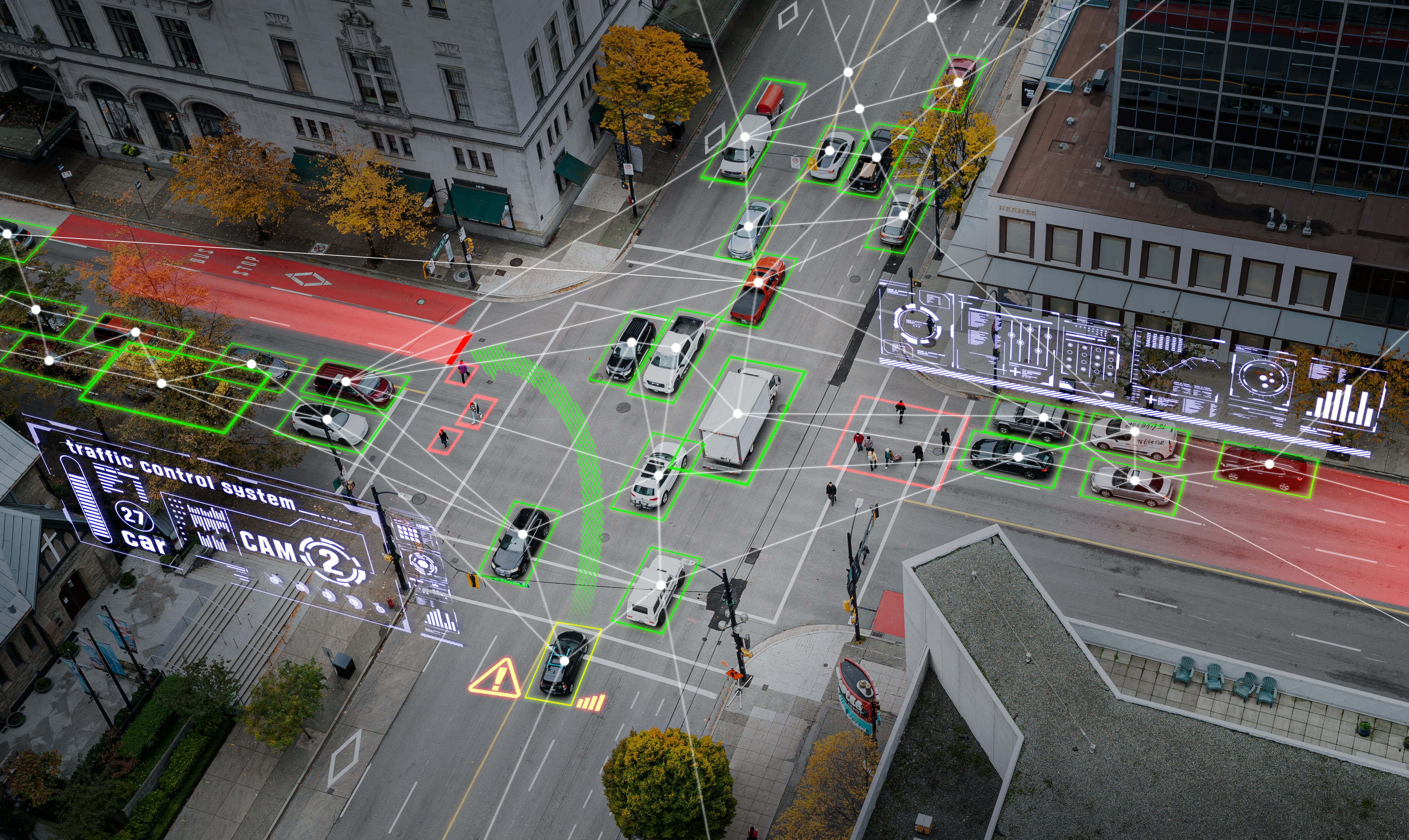
The world of real estate investment, long guided by intuition and traditional market analysis, is undergoing a profound revolution. We have entered a new era defined by big data and artificial intelligence, technologies that are fundamentally reshaping how investors identify opportunities, assess risk, and optimize returns. This shift from gut-feel decisions to data-driven strategies is creating a new class of informed, agile investors who leverage predictive insights for a competitive edge.
Nowhere is this transformation more evident than in forward-thinking hubs like Dubai, a regional leader in technology adoption. As the United Arab Emirates wholeheartedly embraces these innovations, UAE property insights have become remarkably precise, enabling a level of market clarity previously unimaginable. This article explores the rise of AI property analytics, its global impact, and how it is empowering investors to navigate both mature and emerging markets with unprecedented confidence.
The Rise of Data-Driven Real Estate Investment
Real estate investment has entered a new era defined by big data and artificial intelligence technology. Investors harness vast datasets and advanced analytics to gain insights into market trends, identify emerging opportunities, and optimize portfolio performance. Dubai, a regional leader in technology adoption, exemplifies how big data real estate is driving more informed decisions. As the United Arab Emirates embraces these technologies, UAE property insights have become more precise, allowing investors to assess risk and return with unprecedented accuracy.
Globally, AI property analytics tools are reshaping real estate strategies by combining historical data, economic indicators, and behavioral models to forecast asset performance. This data-driven approach moves beyond traditional reliance on anecdotal market intelligence, enabling proactive decision-making underpinned by robust models.
PropTech Adoption Accelerating Investor Precision
The vehicle for this data revolution is Property Technology, or PropTech. The surge in proptech adoption represents a seismic shift in the industry's technological landscape, integrating not just AI, but also machine learning, blockchain for secure transactions, and the Internet of Things (IoT) for smart building management.
According to analyses from leading firms like JLL, these advancements are democratizing sophisticated investment tools. For instance, machine learning in real estate algorithms can process millions of data points to predict future rental growth corridors or identify buildings with a high probability of requiring major capital expenditures. This predictive capability enhances investor accuracy, enabling the strategic allocation of capital toward the highest-performing assets and geographies.
Furthermore, technologies like virtual and augmented reality are streamlining the investment process itself. A potential investor in London can take a fully immersive, 3D tour of a villa in Dubai Hills or a retail unit in Jakarta, complete with overlay data on footfall and demographic spending. This not only increases efficiency and reduces transaction friction but also expands the potential investor pool globally, making cross-border investment more accessible than ever.
Challenges and Opportunities in Emerging Markets
While PropTech adoption is strong in mature markets such as Dubai and other UAE cities, emerging markets like Indonesia face hurdles. Indonesia’s real estate market suffers from limited market data transparency and fragmented information sources, constraining investor insights. The lack of centralized, accessible property data impedes efficient pricing and risk estimation.
This lack of centralized, reliable data constrains investor insights, making efficient pricing and accurate risk assessment difficult. However, this very gap represents a significant opportunity. It creates a fertile ground for analytics services and PropTech firms that specialize in data aggregation, cleaning, and visualization. Investors who partner with firms that can provide these better data insights in real estate gain a formidable competitive advantage. They can identify undervalued assets in secondary cities, understand true market saturation, and avoid areas with hidden legal or regulatory pitfalls, turning market opacity into a source of alpha.
Global Trends: Bridging Gaps with Data Analytics
PwC's Emerging Trends in Real Estate report emphasizes the critical role of data in closing informational gaps, particularly post-pandemic, when market volatility increases. The report highlights growing investor demand for platforms that consolidate heterogeneous datasets, normalize data quality, and provide transparent, real-time analytics.
Big data and AI-driven tools are uniquely positioned to meet this demand by enhancing comparability. An investor can now directly compare the risk-adjusted returns of a logistics warehouse in Berlin with a multifamily apartment building in Austin using standardized metrics and forward-looking projections. This connectivity fosters a truly global perspective, empowering investors to confidently explore diverse geographies and improve portfolio diversification in a way that was previously hampered by informational asymmetries.
Leveraging AI for Portfolio Growth and Risk Management
By integrating AI investment models into their processes, investors can simulate numerous scenarios to stress test portfolios against economic shocks, policy changes, or market downturns. This holistic risk management approach helps balance yield aspirations with capital preservation. This holistic approach to risk management is crucial for balancing yield aspirations with capital preservation.
For example, predictive analytics can identify emerging submarkets like the northern corridors of Bali or specific secondary cities in Europe, long before they appear on the radar of mainstream investors, guiding early-stage capital for outsized returns. Similarly, AI-driven asset management can optimize the timing of renovations, predict maintenance issues in real-time using IoT sensor data, and develop personalized strategies for tenant retention, thereby protecting and enhancing the value of the investment over its entire lifecycle.
The Future is Data-Driven and Intelligent
The transformation of real estate investment is irreversible. Embracing global data-driven investment and advanced real estate tech tools is no longer a luxury for the few but a strategic imperative for all serious market participants. The contrasting examples of Dubai's tech-led competitiveness and Indonesia's untapped potential illustrate a clear path forward.
The investors who will thrive in the coming decade are those who proactively leverage big data and AI. They will be the ones to uncover hidden opportunities in saturated markets, navigate the complexities of emerging economies with confidence, and build resilient, high-performing portfolios capable of weathering uncertainty. In this rapidly evolving landscape, the most valuable asset is no longer just brick and mortar; it is the intelligent, actionable insight derived from data.