Navigating a Dynamic Market
The global real estate market in 2025–2028 is entering a decisive phase where shifts in demographic, economic, and technological forces will shape investment landscapes worldwide. From the Dubai property market 2025 to the broader global housing trends, investors need to understand how these evolving dynamics impact opportunities and risks across regions. Dubai’s real estate outlook remains dynamic with ongoing mega projects leading the way, while the Asia real estate forecast highlights Southeast Asia, including Bali, as a focal growth area. Europe’s property market is projected to stabilize by 2028, and the US housing market continues to balance between affordability challenges and sustained rental demand. Awareness of global investment risk has never been more critical for portfolio diversification and growth.
Dubai and the Global Investment Landscape
The Dubai property market 2025 is characterized by an ambitious recovery, fueled by infrastructure investments and new regulatory frameworks, attracting international buyers. Dubai’s real estate outlook suggests continued demand for luxury, commercial, and mixed-use developments, benefiting from its status as a global business hub. This regional strength fits within the larger global real estate 2028 forecast, where mature markets in Europe and the US balance slower price growth with steady income streams, while Asia’s emerging markets deliver higher returns amid rising middle classes and urbanization
Globally, real estate investment is forecast to grow modestly, with home price appreciation slowing yet rental demand remaining robust. In the US, price growth is expected to ease to around 3% by 2025, though gains could climb over 30% cumulatively by 2028. Elevated interest rates will restrain buyer affordability, sustaining demand for rental housing, particularly in multifamily units in coastal cities and growing Sun Belt markets. Europe and the UK, supported by resilient residential and logistics sectors, lead the recovery despite economic challenges. Caution is warranted due to China’s cooling property market, flagged by the IMF as a risk to global confidence.
Europe and the UK lead the global recovery, supported by resilient residential demand and a logistics sector adapting to supply chain transformations. Despite economic uncertainties, these markets offer attractive yields as capital markets stabilize. Conversely, China’s property market signals caution due to sector overheating and regulatory tightening, with international investors advised to weigh the risks carefully.
Southeast Asia: A Strategic Growth Engine
Southeast Asia remains a beacon of growth in the global real estate sector, underpinned by rapid urbanization, young populations, and rising incomes. Indonesia, Vietnam, Thailand, and the Philippines are spearheading this expansion. Indonesia’s real estate market alone is expected to grow annually by over 5% in value, reaching nearly USD 87 billion by 2028. Innovation in green buildings, infrastructure expansion, and integration of smart technologies are hallmark trends, alongside government policies encouraging foreign investment.
Bali stands at the crossroads of natural appeal and regulatory complexity. Foreign investors cannot own freehold land; instead, they use leasehold contracts or establish foreign-invested companies (PT PMA) to secure long-term property rights such as Hak Guna Bangunan (Right to Build) or Hak Pakai (Right to Use), typically up to 80 years with renewal. This framework effectively grants investors legal security and operational control, accommodating residential, commercial, or hospitality ventures.
Crucially, the Investor KITAS visa complements ownership by allowing foreigners to reside legally for years while managing their investments in Indonesia. KITAS facilitates business operations and longer stays, making Bali very attractive to global investors seeking both asset ownership and residency in a prime tourism and lifestyle destination.
Infrastructure Drivers: The North Bali International Airport
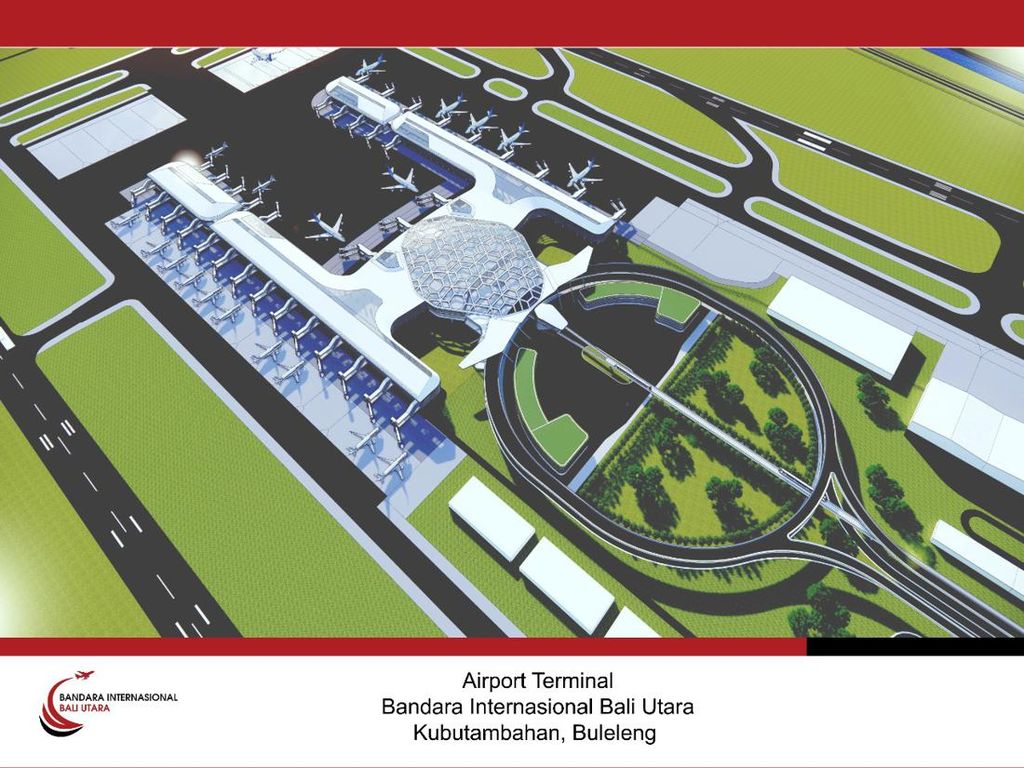
The new North Bali International Airport, expected to be operational by 2028 with a capacity for 24 million international passengers annually, is a game changer. It relieves pressure from Bali’s southern airport and opens northern Bali to intensified tourism, commercial activity, and property demand. Investors should anticipate significant appreciation in property values near the airport and an influx of development projects in residential, hospitality, and retail sectors. This infrastructure boosts Bali’s long-term growth narrative, creating fresh investment frontiers beyond established zones.
Investors should consider the airport’s impact on macro and micro market factors, which enhance connectivity, tourism expansion, and increased commercial activity to offer diversification opportunities beyond traditional southern Bali hotspots.
Balancing Risks and Seizing Opportunities
Investors must navigate several global headwinds, including geopolitical uncertainties and tightening monetary policies. The IMF warns of fragility in China’s housing sector, while trade tensions and inflationary pressures in Western markets could dampen short-term growth. However, these risks coexist with tailwinds like:
- A global transition to sustainable real estate practices, boosting demand for green-certified properties.
- Technological adoption enabling smart buildings and data-driven asset management.
- Demographic trends favor urban living, particularly among millennials and Gen Z renters.
Additionally, stable rental income streams and logistical real estate emerge as resilient sectors, while retail presents mixed signals dependent on local consumer confidence.
The real estate landscape from 2025 to 2028 is characterized by nuanced growth, regional disparities, and technological modernization. Southeast Asia, with Bali at its heart, offers a compelling proposition through evolving ownership structures, residency options like KITAS, and transformative infrastructure projects such as the North Bali International Airport. Investors who combine global market insights with local legal and infrastructural understanding will be poised to capture superior growth, mitigate risks, and benefit from a reshaped global real estate environment.
Investors equipped with insights on market fundamentals, regional dynamics, and regulatory environments will be best positioned to capture growth while mitigating risks in an evolving global real estate landscape.