Gen Z Consumption Patterns and Investment Implications
The global economy is entering a demographic transition that investors cannot ignore. The rise of gen z consumption patterns investment is redefining how capital flows across retail, hospitality, and lifestyle sectors. As Generation Z enters the workforce and gains purchasing power, their preferences for digital integration, authenticity, and experience driven spending are reshaping consumer markets and influencing real estate demand. For property consultants and investors, understanding these shifts is critical for identifying long term opportunities and managing risk in evolving urban environments.
Their preferences are distinct from previous generations. Gen Z consumers prioritize authenticity, digital integration, and experience driven spending. These characteristics are transforming how brands design products, how retailers engage customers, and how real estate developers plan commercial spaces.
For property consultants and investors, understanding Gen Z consumption patterns is becoming essential for long term asset planning. According to data from the United Nations Population Prospects, Indonesia’s median age is around 30 years. This demographic structure creates a long demand runway for youth driven consumption trends. The influence of younger consumers will continue to expand for decades.
Investors who understand how digital native lifestyles translate into physical demand will be better positioned to identify emerging opportunities and manage long term risk.
The Rise of the Digital Native Consumer
Gen Z is the first generation to grow up entirely within the digital era. Smartphones, social media platforms, and online commerce have been integrated into daily life since childhood. As a result, digital interaction is not simply a convenience for this group. It is the foundation of how they discover products, evaluate brands, and make purchasing decisions.
This behavior has created a new type of consumer journey. Instead of moving directly from advertisement to purchase, Gen Z often engages with brands through content. Social media videos, influencer recommendations, and community driven platforms influence what they consider valuable. However, this digital immersion does not eliminate the importance of physical experiences. In many cases, it amplifies the desire for real world interaction. After discovering a brand online, Gen Z consumers often seek physical environments where they can experience the product, share it socially, and participate in community driven spaces.
For investors, this dynamic reveals an important insight. Digital behavior is not replacing physical environments. It is reshaping how those environments must function.
Experience Driven Spending Is Reshaping Retail
One of the defining characteristics of Gen Z consumption is the emphasis on experiences rather than purely transactional purchases. Younger consumers often value memorable moments, social interaction, and cultural identity more than the accumulation of material goods.
This shift has direct implications for retail real estate. Traditional shopping environments designed primarily for product display are losing relevance. Instead, retail spaces must provide experiences that encourage visitors to spend time and engage with brands.
Examples include concept stores, interactive showrooms, and retail environments that combine shopping with entertainment or dining. These spaces allow customers to explore products in a social setting that can be shared through digital platforms.
Restaurants and cafes also play an important role in this ecosystem. Dining venues have become gathering points where consumers interact with friends, capture social media content, and participate in lifestyle experiences.
For property developers, integrating food and beverage tenants within retail environments is becoming a critical strategy for attracting younger visitors.
The Role of Social Media Commerce
Social media platforms are now central to how Gen Z discovers and interacts with brands. Platforms such as Instagram, TikTok, and emerging digital communities influence purchasing behavior through visual storytelling and peer recommendations.
This trend has accelerated the growth of social commerce, where consumers move directly from online content to purchase decisions. However, physical spaces still play an important role in reinforcing brand credibility.
Many digitally native brands use physical stores as experience hubs rather than traditional retail outlets. These locations function as brand showcases where customers can explore products, attend events, and connect with the brand community.
For investors evaluating retail assets, the ability to attract brands that integrate online and offline engagement is increasingly valuable. Properties that support experiential retail concepts are better positioned to remain relevant as consumer behavior evolves.
Hospitality and Lifestyle Assets Gain Importance
The rise of experience driven spending also benefits hospitality and lifestyle oriented real estate. Hotels, cafes, and entertainment venues often provide the type of immersive environments that Gen Z consumers seek.
Travel experiences have become particularly attractive to younger audiences. Many consumers prioritize trips, cultural exploration, and social experiences over traditional luxury purchases.
This behavior supports demand for lifestyle hospitality assets such as boutique hotels, co living spaces, and destination dining venues. Properties that offer unique design, cultural identity, and social interaction are likely to capture stronger interest from younger visitors.
In tourism driven markets such as Bali, these trends are already visible. Lifestyle oriented hospitality projects that combine accommodation, dining, and creative community spaces attract both international travelers and domestic visitors. For investors, this suggests that future hospitality developments must emphasize storytelling and experience rather than purely functional accommodation.
Integrating Digital Lifestyle With Physical Space
One of the most important challenges for real estate developers is linking digital lifestyles with physical environments. Gen Z consumers expect seamless transitions between online and offline experiences.
For example, restaurants and retail venues often benefit from strong digital visibility before customers arrive. Social media friendly design elements, visually distinctive interiors, and interactive installations encourage visitors to share their experiences online.
This organic digital promotion can significantly increase foot traffic and brand recognition.
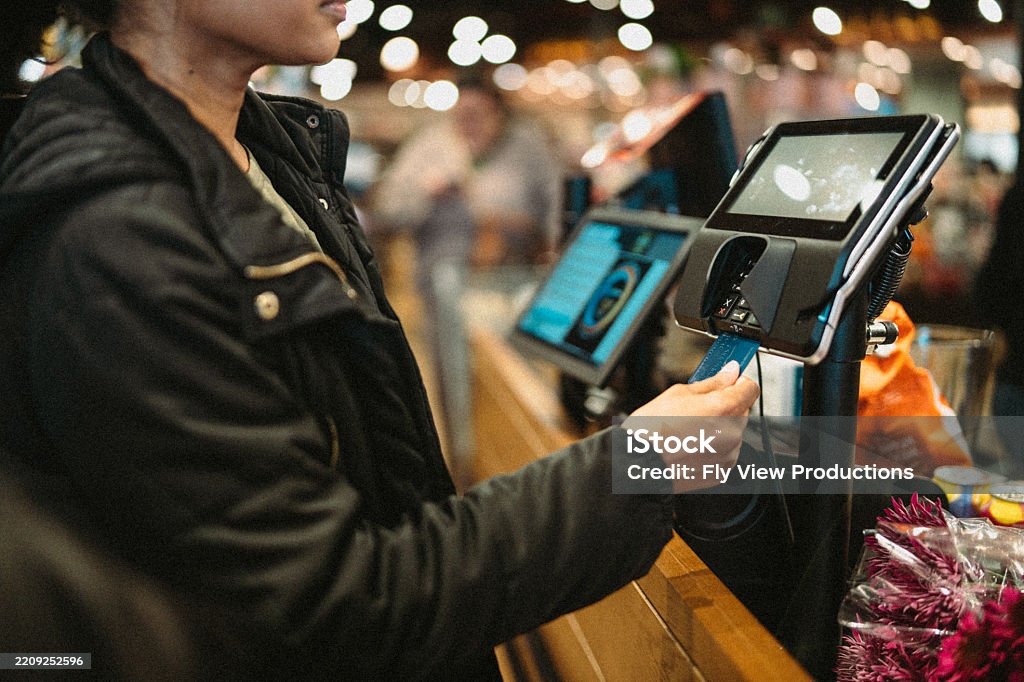
Technology infrastructure is also becoming a critical feature in modern developments. Reliable connectivity, digital payment systems, and integrated mobile applications enhance convenience and align with the expectations of digital native consumers.
Properties that support these features are more attractive to tenants who rely on digital engagement as part of their business strategy.
Urban Development and Youth Driven Demand
Demographic structure plays an important role in determining long term property demand. Countries with younger populations often experience sustained consumption growth because new consumers enter the workforce each year.
Indonesia’s relatively young median age suggests that Gen Z and younger millennials will remain dominant consumer groups for decades. Their spending patterns will influence retail formats, dining preferences, and entertainment demand.
Urban developments that respond to these lifestyle preferences can capture long term value. Mixed use projects that combine residential units, coworking spaces, lifestyle retail, and dining venues create environments that support community driven living.
These developments often become social hubs where younger residents gather, work, and interact.
For property investors, assets that successfully serve this demographic are likely to experience stronger occupancy rates and more resilient long term performance.
Data Driven Investment Strategies
While demographic trends provide valuable direction, successful investment decisions require detailed analysis. Investors should evaluate local data such as population growth, income levels, and migration patterns when assessing youth driven demand.
Social media activity can also provide insights into emerging lifestyle destinations. Locations that attract strong digital engagement often indicate growing popularity among younger audiences.
In addition, transportation accessibility and proximity to educational institutions can influence where Gen Z populations concentrate. Areas near universities or creative industry clusters often develop vibrant dining and retail ecosystems.
Combining demographic analysis with behavioral insights allows investors to identify promising locations before they reach full maturity.
Preparing for the Next Consumer Era
The influence of Gen Z consumers will continue to expand as this generation gains purchasing power and career stability. Their expectations will shape how brands operate and how physical environments are designed.
Future assets must serve experience first consumers who value authenticity, social interaction, and digital connectivity. Retail environments must become immersive spaces rather than simple distribution points. Hospitality venues must deliver memorable experiences that encourage repeat visits and online sharing.
For property consultants and investors, these trends represent both opportunity and responsibility. Understanding the behavioral patterns of younger consumers allows decision makers to allocate capital toward assets that remain relevant in the long term.
As demographic momentum continues to shift toward younger populations, the ability to connect digital lifestyles with physical spaces will define the next generation of successful real estate investments. Investors who recognize this transformation today will be better prepared to capture the value created by tomorrow’s consumer economy.
The influence of younger consumers will continue to expand as this generation gains purchasing power. Understanding gen z consumption patterns investment allows property consultants and investors to align with future demand by prioritizing experience driven assets, digital integration, and community focused developments. As markets evolve, those who adapt to gen z consumption patterns investment will be best positioned to capture long term value in real estate.