The landscape of global real estate investment is undergoing a profound transformation. As traditional prime locations in major metropolitan hubs become increasingly saturated and price-prohibitive, a strategic shift is underway. Savvy investors are now turning their gaze towards emerging real estate submarkets and dynamic secondary cities, which present the next frontier for substantial capital appreciation and sustainable portfolio growth. This movement isn't about mere speculation; it's a calculated response to evolving economic drivers, infrastructural advancements, and a global quest for value. By understanding the forces that catalyze these new investment destinations - from Dubai South to burgeoning corridors in Southeast Asia and Europe's rising urban centers, investors can strategically position themselves at the forefront of the next wave of global real estate growth.
Recognizing the Rise of New Investment Cities
Real estate investors today are shifting their focus beyond established urban centers to emerging real estate submarkets and secondary cities that offer strong potential for growth. These up-and-coming submarkets present fresh avenues for capital appreciation as traditional prime locations become saturated and prices rise. Understanding the factors that shape these next-level investment destinations is essential. This article explores key emerging areas, including Dubai South and the Mohammed bin Rashid City in Dubai, alongside property hotspots across Asia, Europe’s growing urban centers, and promising submarkets in North America. It draws on expert insights from the Global Real Estate Transparency Index published by Jones Lang LaSalle and the Global Market Outlook report by CB Richard Ellis to explain what makes a city an attractive and transparent investment environment.
Shifts in Dubai’s Real Estate Landscape
Dubai provides a masterclass in internal market evolution. While globally recognized areas like Downtown Dubai and the Palm Jumeiraa have long dominated headlines, the emirate's continuous growth is spawning powerful new submarkets. Mohammed bin Rashid City (MBR City) has matured into a premier, master-planned destination, but with that maturity comes premium pricing. This has naturally redirected investor focus towards the next growth engine: Dubai South.
Strategically positioned around the Al Maktoum International Airport (Dubai World Central), Dubai South is envisioned as an epicenter for logistics, aviation, and commerce. Its development is a long-term, government-backed vision, featuring the upcoming Dubai Expo City and world-class logistics facilities. For investors, Dubai South represents a ground-floor opportunity. It offers more accessible price points and the prospect of significant long-term capital growth as its infrastructure reaches completion and population density increases. This pivot from MBR City to Dubai South exemplifies the global pattern of capital flowing towards areas with untapped potential and a clear, actionable growth roadmap.
Asia’s Expanding Property Hotspots
Beyond the gleaming skylines of Singapore and Hong Kong, Southeast Asia is a hotbed of real estate innovation. Rapid urbanization, a burgeoning middle class, and economic diversification in countries like Indonesia, Malaysia, and Vietnam are creating a new generation of property hotspots.
Consider the trajectory of Bali. The southern areas of Canggu and Pererenan experienced an explosive boom, driven by digital nomads and tourism. However, this very success has led to saturation, traffic congestion, and soaring land prices. The smart money is now looking north, to regions like Tabanan. Dubbed the "new Ubud," Tabanan is benefiting from improved road connectivity, the expansion of Ngurah Rai Airport, and more favorable zoning regulations. These infrastructural upgrades are unlocking previously inaccessible land, creating a new supply of properties and driving value appreciation.
This pattern of discovery and sequential growth is a recurring theme. Real estate expert Bu Vellis, for instance, has built a reputation on identifying these undervalued corridors before they capture mainstream attention. Her early involvement in areas now seeing rapid growth underscores the value of local, on-the-ground intelligence. A compelling case study is Adamare Bogor in Indonesia, a luxury eco-estate that transformed a previously overlooked region into a highly sought-after enclave by leveraging natural assets and strategic master planning, demonstrating how visionary development can create a submarket from the ground up.
Growing Urban Centers in Europe and North America
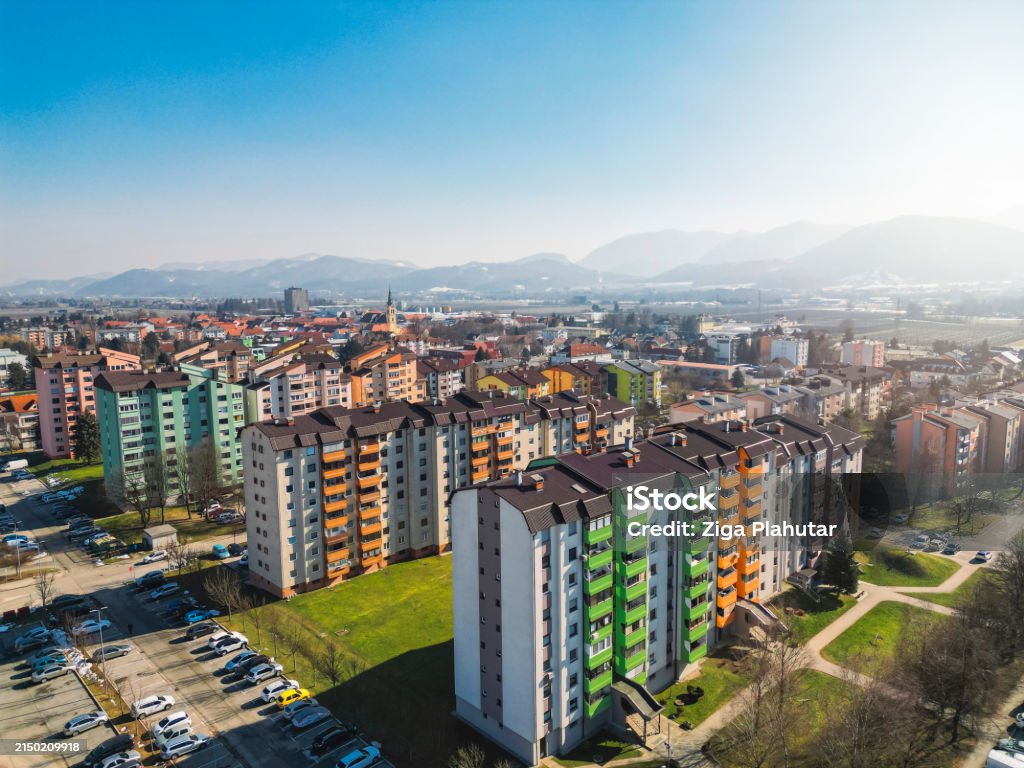
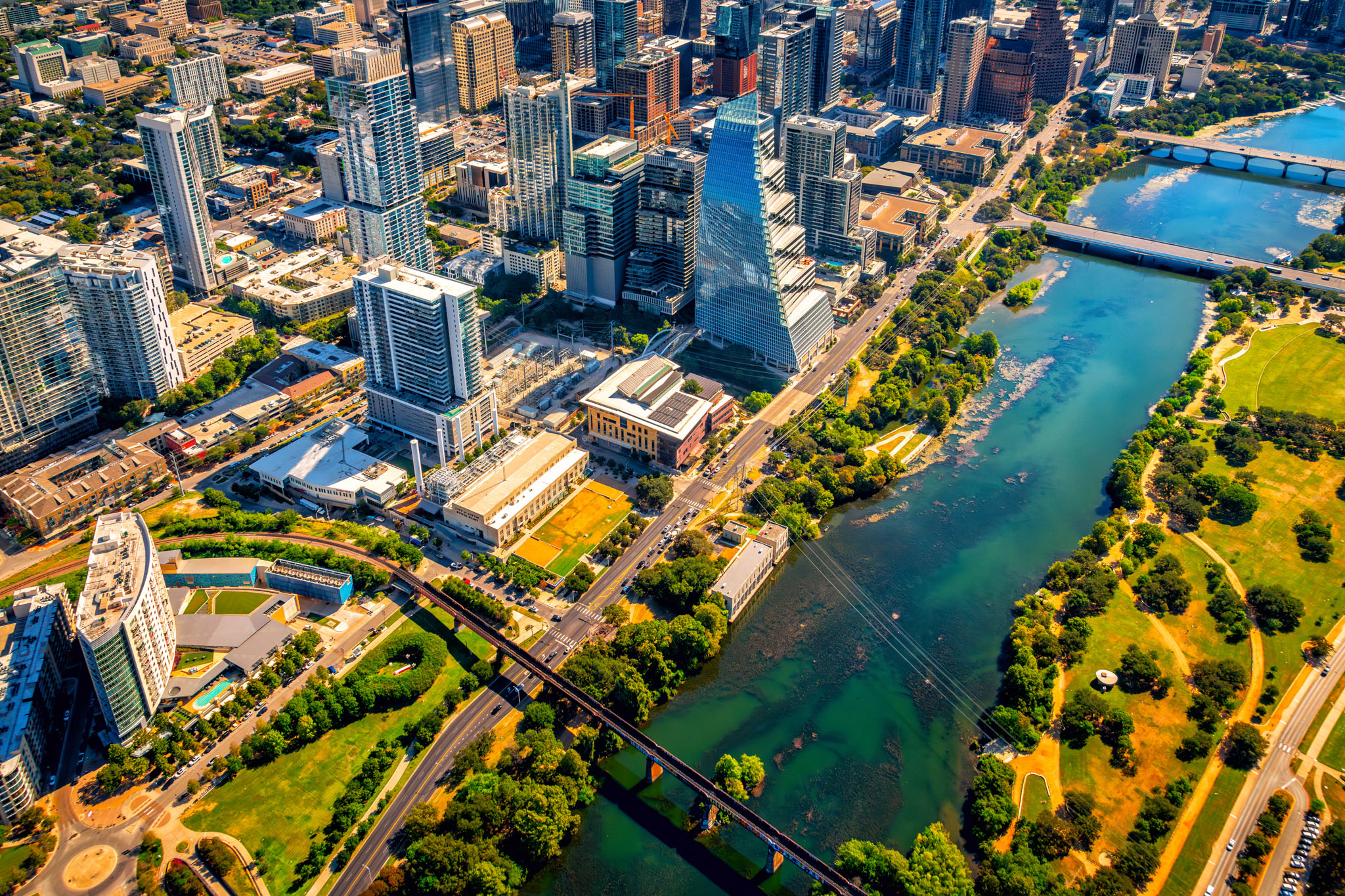
Europe’s emerging urban markets present attractive investment opportunities, particularly in secondary cities such as Porto, Lyon, and Krakow. These locations offer competitive yields and benefit from supportive regulations and increasing market transparency. Similarly, in North America, cities like Austin, Raleigh, and Nashville are gaining momentum. These submarkets are experiencing rapid population growth and corporate relocation, making them preferred destinations for real estate developments. Compared to traditional core cities, these markets provide more affordable opportunities, which are driving sustained urban expansion.
What Makes a City an Emerging Investment Hub?
Identifying the next promising submarket requires more than just tracking price increases. According to the authoritative Global Real Estate Transparency Index published by Jones Lang LaSalle (JLL), transparency is a non-negotiable foundation for sustainable investment. Transparent markets provide reliable data, clear legal and regulatory frameworks, and standardized transaction processes. A city’s ascent in this index is a powerful indicator of its maturation and reduced investment risk.
Complementing this, reports like the Global Market Outlook from CB Richard Ellis (CBRE) emphasize the critical alignment of infrastructure, governance, and zoning. An emerging hub isn't just a cheap piece of land; it's a location where new roads, public transit, or utilities are being deployed, where local governance is supportive of development, and where zoning laws are clear and conducive to growth. These factors collectively create a "sweet spot" - a market with high growth potential but without the extreme uncertainty of opaque or unstable environments.
Balancing Opportunity with Local Realities
While the upside is significant, investing in emerging submarkets is not without its challenges. The very infrastructure that promises growth can be subject to delays. Local zoning laws and regulatory hurdles can be complex and time-consuming to navigate. In Northern Bali's Tabanan, for example, while new roads are a boon, investors must diligently understand local land ownership regulations (Hak Pakai vs. Hak Milik) to avoid pitfalls.
A thorough due diligence process that goes beyond financials is essential. This includes:
- Understanding Regulatory Frameworks: Engage local legal experts to navigate planning permissions and property rights.
- Assessing Infrastructure Timelines: Verify the status and funding of promised infrastructure projects.
- Evaluating Market Readiness: Is there genuine, sustainable demand, or is the market driven purely by speculation?
By acknowledging and proactively managing these local realities, investors can mitigate risks and ensure their capital is deployed effectively.
Positioning for the Next Wave of Growth
The global real estate map is being redrawn. The most promising opportunities for the coming decade are no longer confined to the traditional, established cores. They are in the dynamic submarkets like Dubai South, the unfolding northern corridors of Bali, and the thriving secondary cities across Europe and North America. These locations offer a powerful combination of growth drivers: strategic infrastructure, improved market transparency, and attractive entry valuations.
The astute investor of tomorrow will be defined by their ability to look beyond the obvious, to deepen their knowledge of these emerging landscapes, and to move with informed conviction. By tracking infrastructure projects, evaluating local governance, and leveraging expert insights, you can position your portfolio to capture superior returns in the ever-evolving and always promising world of real estate.